

Please note: The content on this page is currently being co-designed with people who use it. Your feedback is welcome as we continue to refine and improve these resources.
In this page:
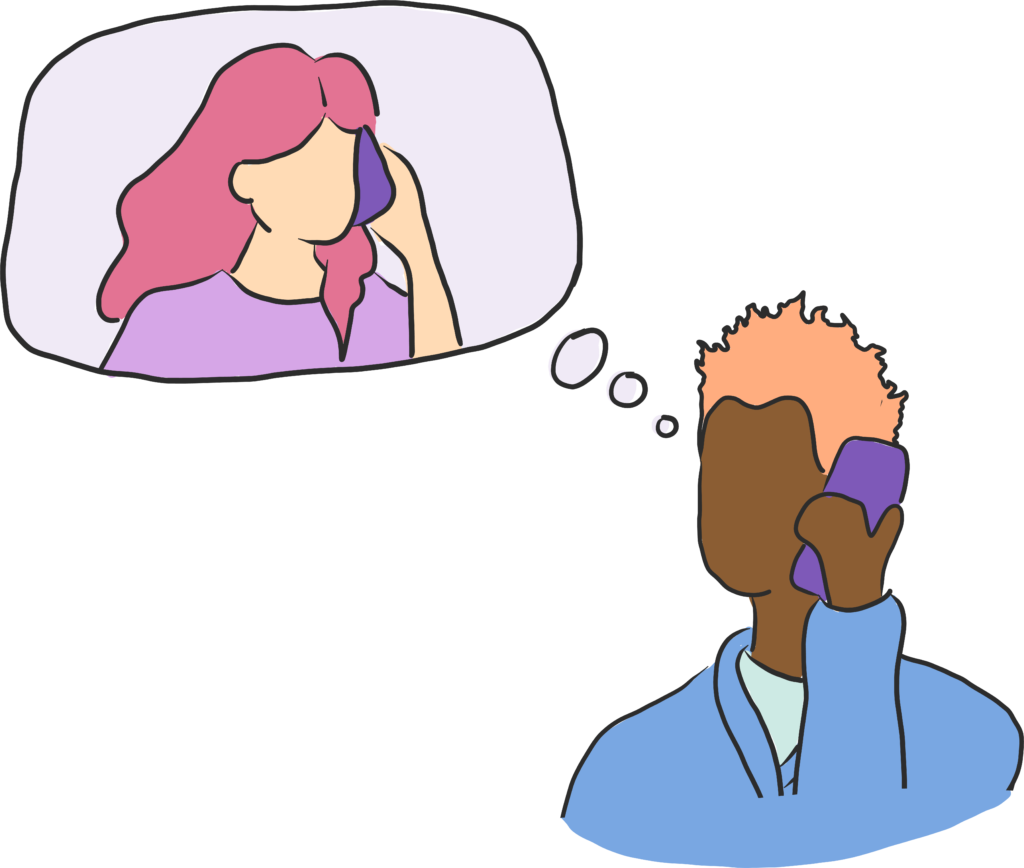
Feeling lonely can be really hard, but it’s common. A lot of people experience it at different times and for different reasons.
In the UK, around 1 in 4 adults say they feel lonely some or all of the time. Even so, it’s easy to think you’re the only one struggling – especially when everyone else seems busy or like they have lots of friends.
What is loneliness?
Loneliness doesn’t always mean being on your own. You can feel lonely even when you’re around other people.
Loneliness and mental health are closely linked. Feeling lonely can affect how you feel day to day, and struggling with your mental health can also make it harder to connect with others.
You might feel:
- unseen or misunderstood
- like you don’t belong
- low in confidence about reaching out
- tired or withdrawn
- unsure where to start
- isolated or cut off from the world
These feelings are more common than people realise.
Some people compare loneliness to hunger. Just as hunger tells your body you need food, loneliness can be a signal that you need connection. How much connection people need is different for everyone.
Why do people feel lonely?
There are often very real things in life that make feeling lonely more likely. Sometimes people who feel lonely also find it hard to make or keep connections – for very understandable reasons.
You might have:
- moved around a lot growing up, or recently moved to a new area
- lost touch with friends or family over time
- chosen not to continue an important relationship or friendship
- experienced illness, caring responsibilities, or bereavement
- separated from a long-term partner
- never lived alone before
- been through difficult or traumatic experiences
- spent years putting other people first
- felt excluded, judged, or misunderstood
- struggled with anxiety, low mood, or confidence
All of these can affect how safe or possible connection feels.
When this goes on for a while, it can start to affect how you see yourself. You might begin to doubt what you have to offer other people, or worry about being a burden. These thoughts can make it even harder to reach out.
If you notice unhelpful thoughts like this, you might find our Challenging negative thoughts page helpful.
How to feel less lonely
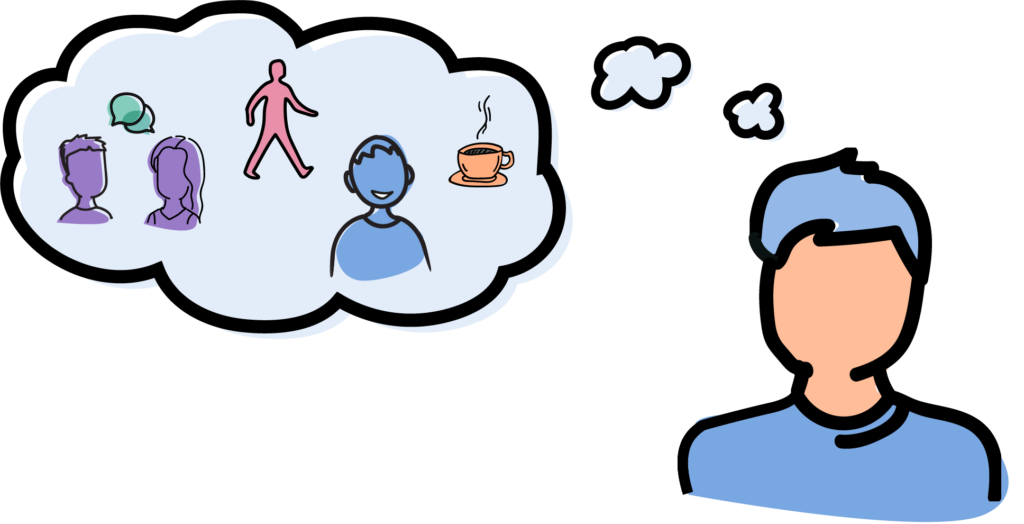
Sometimes tackling loneliness can feel overwhelming. Knowing where to start isn’t always easy – especially if you’ve been feeling low or isolated for a while. Here are some things you could try.
Simple first steps you can try today
If making big changes feels overwhelming, you could start small:
- send a message to someone you trust, even just to say hello
- say hello to people when you’re out
- have a quick chat with someone you meet
- go for a walk or a cuppa with someone
- spend time somewhere you feel comfortable, like a café, library, or park
- listen to something that makes you laugh
- try an online group if leaving home feels hard
- go to a group or activity just to listen – you don’t have to talk
- ask someone to come to a group with you the first time
- give yourself credit for trying, even if it feels awkward
Some people find that helping others – for example through volunteering – can also help them feel more connected.
There’s no “right” way to connect. Not every group or activity will be right – but trying new things isn’t a waste of time.
Talking with familiar people
If you have people in your life, sharing how you feel can help you feel less alone.
You don’t need to have all the words. Simply saying “I’ve been finding things hard” can be enough to start a conversation.
It might feel uncomfortable at first – especially if you’re used to coping on your own – but many people find it helps just to be heard.
If you’re struggling with low mood, anxiety, or feeling stuck, you might also find it helpful to:
- talk to your GP
- self-refer to the Leeds Mental Wellbeing Service
- read our blog about what helps people open up about their mental health
You don’t have to deal with everything on your own. Support is available.
Joining groups and peer support
Some people find peer support helpful.
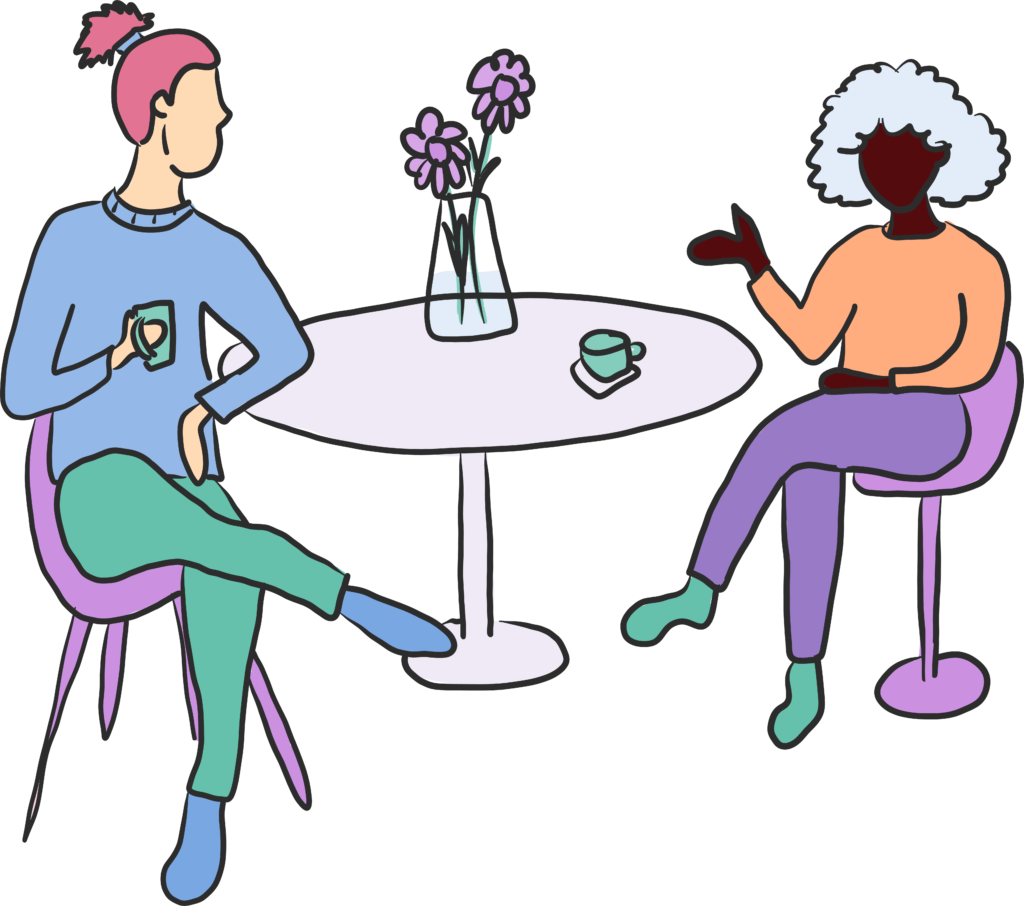
Peer support brings together people with similar experiences so they can support each other. Many people say it helps to talk with others who “get it”. It can feel less formal and more understanding than other types of support.
In Leeds, there are groups for different needs and interests – including mental health support, carers’ groups, creative activities, community groups, and more. Some meet in person, and others online.
You don’t have to commit long-term. You can try something once and see how it feels.
Find peer support groups in Leeds
Finding support for loneliness
You can find organisations (both local and national) that bring people together and help to reduce isolation in the MindWell Directory and find more ideas below:
Services for older people
- Age UK – Befriending Services
- Age UK Leeds
- Neighbourhood Network Schemes
- Sikh Elders Service
- Social opportunities for people living with dementia
- The Campaign to End Loneliness
- The Silver Line
Services for people of all ages
Social and community groups for all ages
- Black, Asian and ethnic minority community groups
- Creative groups and activities
- Exercise groups
- Meetup
- Regular wellbeing groups and activities
- Outdoor and gardening groups
Support groups and peer support
Online communities
Need to talk to someone about how you’re feeling?
Go to the MindWell Directory to find emotional and practical support.
When connection feels hard (or looks different for you)
Sometimes the idea of social connection feels overwhelming or not right for you. That’s okay.
Connection doesn’t only mean being with other people. Some people find it helpful to connect in other ways, such as:
- spending time in nature
- noticing the world around them
- being creative
- listening to music or podcasts
- practising mindfulness or quiet reflection
Even small things can help, like noticing birdsong, sitting in a park, or taking a mindful walk. These moments can help you feel calmer or steadier when you don’t have the energy for social contact.
Your connection needs are personal
Not everyone wants or needs lots of time with other people.
Some people feel most at ease with a small circle of people in their lives. Others need plenty of quiet time to rest or recharge. Some people enjoy their own company, and that’s healthy too.
For some neurodivergent people – including autistic people or people with ADHD – social situations can feel intense or tiring. Busy places, small talk, or unstructured groups can take a lot of energy.
There’s no “right” amount of connection. What matters is how it feels to you.
If being on your own feels peaceful or relaxing, that’s great.
If being on your own feels lonely or painful, that might be a sign you’d benefit from a little more connection or support in a way that suits you.
< Back to Looking after your wellbeing
Last updated: March 2026